What Is the Best Way to Replace a Missing Tooth? Dental Implant vs. Bridge vs. Partial Denture
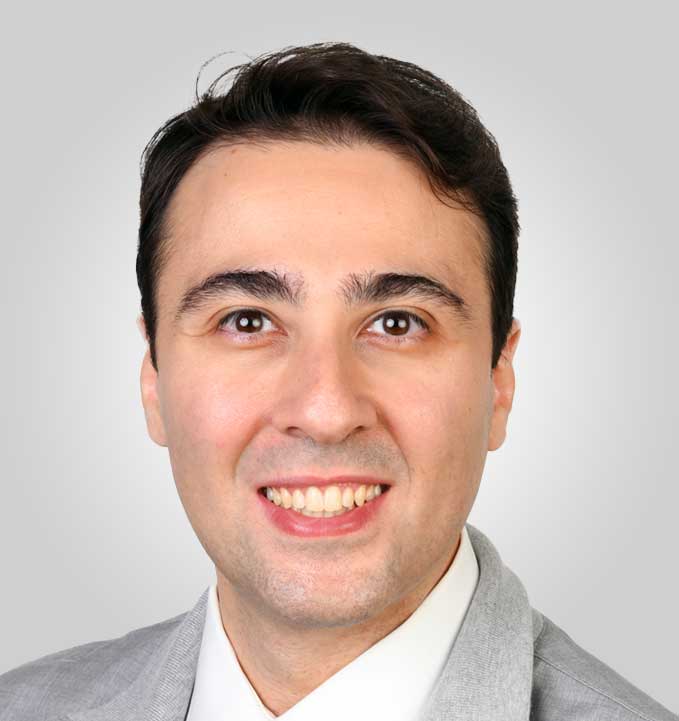
by Dr. Davide Romeo, Prosthodontist at Milano Dental Studio | Manhattan, NY

Losing a tooth can be stressful, but patients today have several options for replacing it. Depending on your situation, a missing tooth can be replaced with a dental implant, fixed dental bridge, or removable partial denture.
So which option is best?
The answer depends on your oral health, the condition of the neighboring teeth, your bite, esthetic expectations, budget, and long-term treatment goals. There is no single solution that is ideal for every patient.
Dental Implant
A dental implant replaces the root of a missing tooth. After the implant has integrated with the surrounding bone, it can support an individual crown. One of the main advantages of an implant is that the neighboring teeth generally do not need to be prepared to support the replacement tooth.
Advantages of Dental Implants
Limitations
Fixed Dental Bridge
A dental bridge replaces a missing tooth by connecting an artificial tooth to neighboring teeth. The adjacent teeth are prepared to support the bridge.
Advantages of a Bridge
Limitations
Removable Partial Denture
A removable partial denture can replace one or several missing teeth. It can be removed by the patient for cleaning and maintenance.
Advantages
Limitations
Which Option Is the Most Natural ?
Many patients prefer dental implants because an implant-supported crown can closely reproduce the appearance and function of an individual natural tooth. However, “natural-looking” does not automatically mean “implant.” A well-designed bridge or partial denture can also provide excellent esthetic results when properly planned. The best solution depends on the individual case.
What About the Bone ?
After a tooth is lost, the bone surrounding the missing tooth can gradually decrease. This is one of the reasons why the timing of treatment can be important. If an implant is being considered, the amount and quality of available bone should be evaluated before treatment. Three-dimensional imaging such as CBCT can provide important information about the anatomy and help determine whether additional procedures are necessary.
What If I Am Missing Several Teeth ?
The goal is not necessarily to place one implant for every missing tooth. Instead, treatment should be designed around the patient’s anatomy, function, esthetics, and long-term needs.
What If I Am Missing All of My Teeth ?
Patients who have lost all or most of their teeth have additional treatment options. These may include conventional complete dentures, implant-retained dentures, or fixed full-arch implant prostheses.
In selected patients, treatment concepts such as All-on-4® can use strategically positioned implants to support a fixed full-arch prosthesis. However, full-arch implant treatment requires comprehensive evaluation of the bone, bite, facial esthetics, existing prosthesis, and patient’s expectations.
How Do We Decide Which Treatment Is Right for You ?
At Milano Dental Studio, treatment planning starts with understanding the patient rather than selecting a procedure.
During an evaluation, we may consider:
Digital photographs, intraoral scanning, and CBCT imaging may be used when appropriate to create a more complete picture of the patient’s situation.
The goal is not necessarily to place one implant for every missing tooth. Instead, treatment should be designed around the patient’s anatomy, function, esthetics, and long-term needs.
There Is No “Best” Replacement for Every Patient
A dental implant may be the ideal solution for one patient and a bridge or partial denture may be more appropriate for another. The best treatment is the one that provides the right balance of function, esthetics, biology, longevity, and patient preference. If you are missing a tooth and are unsure which treatment is right for you, a comprehensive consultation can help you understand your options before making a decision. At Milano Dental Studio in Manhattan, we evaluate each patient individually and develop a treatment plan based on their specific clinical needs and goals.
The goal is not necessarily to place one implant for every missing tooth. Instead, treatment should be designed around the patient’s anatomy, function, esthetics, and long-term needs.
Meet Your Expert in Smile Restoration: Dr. Davide Romeo
Dr. Davide Romeo is more than a provider—he’s a pioneer in full-arch implant rehabilitation. A specialist in prosthodontics, he has taught, researched, and published internationally on the All-on-4 concept. His reputation for precision, artistry, and compassionate care has made Milano Dental Studio a trusted destination for patients across New York and beyond.
With Dr. Romeo, you’re not just getting a set of teeth—you’re getting a partner in your journey back to health, confidence, and joy.