
Root Canal or Dental Implant? How to Know Which Treatment Is Right for You
by Dr. Davide Romeo, Prosthodontist at Milano Dental Studio | Manhattan, NY
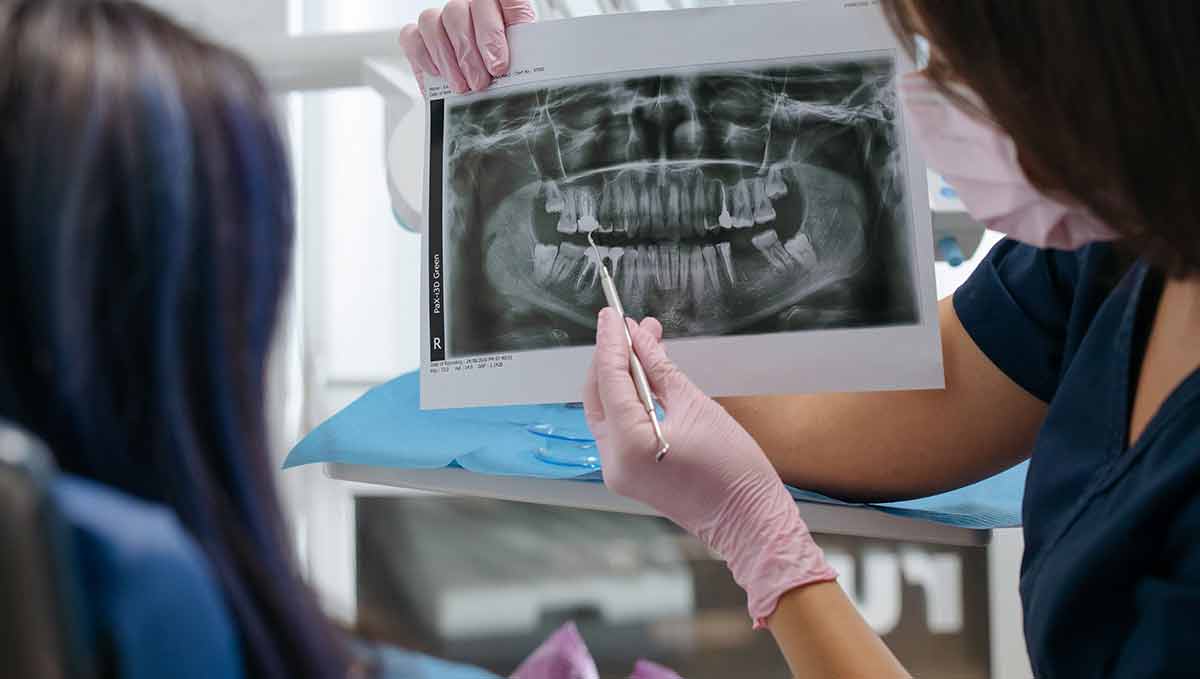
When a tooth becomes severely damaged or infected, patients often hear two possible solutions: save the tooth with a root canal or remove it and replace it with a dental implant.
But how do you decide which option is better?
The answer is not simply based on whether the tooth hurts or whether an implant is available. The most important consideration is the long-term prognosis of the tooth. At Milano Dental Studio, we believe that the first question should always be:
Can this tooth be predictably saved?
When Can a Tooth Be Saved?
A natural tooth is generally worth preserving when it can be restored to health and function with a predictable long-term prognosis.
Depending on the situation, treatment may include:
A root canal removes infected or damaged tissue from inside the tooth and allows the tooth to remain in the mouth. When appropriately indicated, preserving a natural tooth can be an excellent treatment option.
When Is an Extraction Necessary ?
Unfortunately, some teeth cannot be predictably restored.
Extraction may become necessary when there is:
In these situations, attempting to save the tooth may not provide a predictable long-term result.
What Happens After an Extraction ?
When a tooth needs to be removed, the treatment decision does not end with the extraction.
The missing tooth can potentially be replaced with:
A dental implant replaces the root portion of the missing tooth and can support a crown designed to resemble and function like a natural tooth.
Root Canal vs. Dental Implant
There is no universal winner between these two treatments. The appropriate solution depends on the specific tooth and the patient’s overall situation.
Root Canal Treatment
Advantages:
Limitations
Dental Implant
Advantages:
Limitations
What About a Cracked Tooth ?
Cracked teeth are among the most difficult situations to evaluate. A tooth with a superficial crack may be restorable. A tooth with a vertical root fracture, however, generally cannot be predictably treated with a root canal and crown. This is why a detailed clinical examination is important before deciding on treatment.
What About a Tooth That Has Already Had a Root Canal ?
A previously treated tooth does not automatically need to be extracted. Depending on the cause
of the problem, retreatment or surgical treatment may sometimes be possible.
The decision should consider:
If the tooth cannot be predictably restored, extraction and implant replacement may become the more appropriate option.
Why We Evaluate the Final Restoration Before Making the Decision
The decision between saving a tooth and replacing it with an implant should not be made by looking only at the tooth itself. We also consider how the tooth fits into the patient’s overall bite,
esthetics, periodontal condition, and restorative needs. This is particularly important when several teeth are compromised. Sometimes treating one tooth in isolation may not be the best solution if the patient requires a more comprehensive restorative plan.
The Goal Is Not to Place an Implant
The goal is to provide a healthy, functional, and predictable result. If a natural tooth can be predictably restored, preserving it may be the best choice. If the tooth has a poor prognosis, removing it and replacing it with an implant may provide a more predictable long-term solution. The decision should therefore be based on diagnosis, prognosis, and the patient’s individual needs—not on a predetermined treatment approach.
Should You Save Your Tooth or Get an Implant ?
If you have been told that you need a root canal or extraction, it is reasonable to ask:
“What is the long-term prognosis of my tooth?”
A comprehensive evaluation can help determine whether the tooth can be predictably saved or whether replacement with a dental implant would provide a better solution. At Milano Dental Studio in Manhattan, we evaluate each situation individually and discuss the available treatment options before making a recommendation.
Meet Your Expert in Smile Restoration: Dr. Davide Romeo
Dr. Davide Romeo is more than a provider—he’s a pioneer in full-arch implant rehabilitation. A specialist in prosthodontics, he has taught, researched, and published internationally on the All-on-4 concept. His reputation for precision, artistry, and compassionate care has made Milano Dental Studio a trusted destination for patients across New York and beyond.
With Dr. Romeo, you’re not just getting a set of teeth—you’re getting a partner in your journey back to health, confidence, and joy.